Work:Life – Randy Kepple featured on Faded and Blurred

Faded and Blurred is a fantastic online magazine devoted to photography. Editor Jeffery Saddoris recently interviewed me for an ongoing series called Work:Life. The series focuses on creative professionals trying to balance creative, personal and business lives while pursuing their passion.

As fate would have it, Jeffery and I have a mutual friend in common. He went to high school with Ryan Beck, the commercial advertising photographer I worked for when I lived in Los Angeles. Another mutual friend, Patrick Shipstad was a former groom of mine. Six degrees of separation, right?

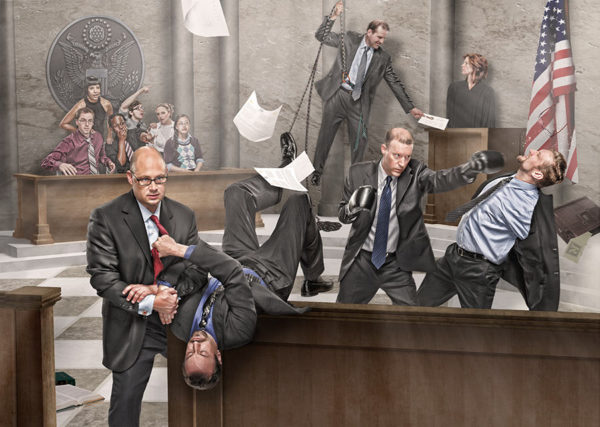
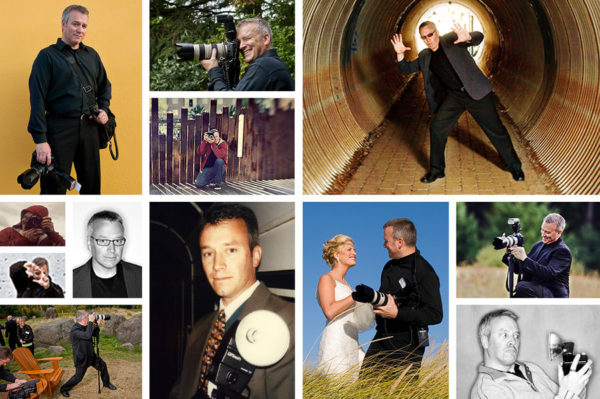
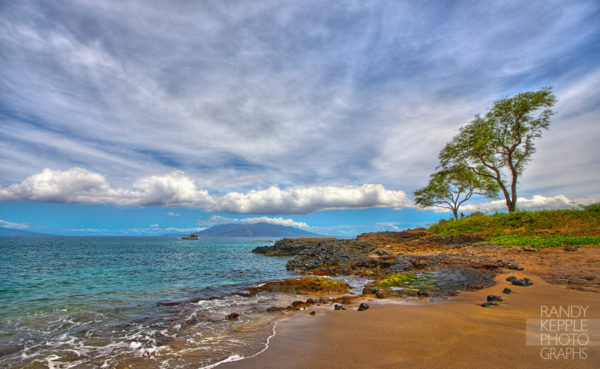
Photo by Randy Kepple Photographs

You have said that music was your first love. How did fate lead you to photography?

“I seldom end up where I wanted to go, but almost always end up where I need to be”. (Douglas Adams)

Photography has been a part of my life since grade school. My best friend had a darkroom in his basement and one of my first jobs out of high school was at a pro photo lab. Every musician has a day job. It’s kind of a running joke, as in “don’t quit your day job”. I worked during the day, practiced at night and played on weekends.

Music was everything to me. I poured my entire life into it. Our band had a great following. One of our songs was being played on the radio, there was talk about moving to Los Angeles, we were opening for well known local bands, playing great venues. But if you’ve ever spent a weekend watching VH1’s “Behind the Music”, you know the story. Personality conflicts, unchecked ego’s and drugs eventually split up the band. And that’s exactly what happened.

You never forget your first love, but it was time to face the music and make a drastic change. I realized I couldn’t continue putting so much time and energy into a career where my success was dependent on 4 other people who may not be as serious as me.

And one day, as I was watching endless rolls of prints come off the processor, I wondered how photographers created images like this. I knew what I could do with my camera and darkroom, but this was like magic to me. I decided if I could get the right training, I could have a career doing something I enjoyed and my success would no longer be dependent on anyone but myself.

So I researched photography schools and decided to get on the waiting list of a commercial advertising photography program at a community college in Seattle. It had a well-respected reputation with photographers and was known for being a tough program. Since it required purchasing a 4×5 camera and darkroom equipment, I knew I’d graduate with the experience and tools to earn an income.

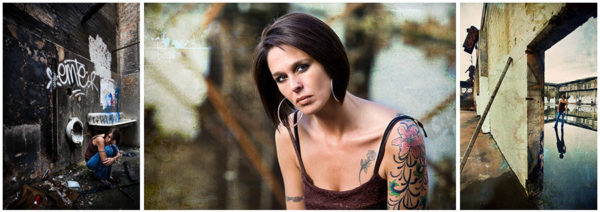
Photo by Randy Kepple Photographs

Does your background in music influence you at all as a photographer?

It’s amazing how many photographers I’ve met over the years who were musicians or heavily influenced by music. There is a quote that says after silence, music is the closest you’ll come to expressing the inexpressible.

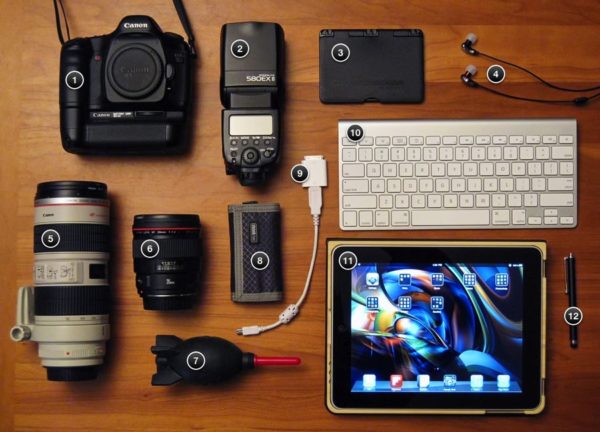
Today, there is a wealth of information waiting to be explored. From video tutorials to online forums where you can share with the best photographers in the world. But all the information in the world won’t make you a musician or a photographer. You have to practice—put in the time building technique. It takes a lot of persistence and dedication. There are a lot of parallels between music and photography. Obviously, both are creative arts. They both require vision, a point of view, the ability to think abstractly and far too much gear. I thought I’d gotten away from that, but photography has just as much gear. And both industries have rock stars.

Aside from that, there is something intrinsic and primal about music. Listening to music while I’m shooting or working on post production puts me in a different mind set. It helps me focus, silencing the chatter in my head.

Photo by Randy Kepple Photographs

Beyond having a degree, how did you know when you were ready to “go pro”? 

That’s a great question. I was instilled with a strong work ethic. It was important to me when I graduated to become an apprentice. An assistant photographer. So many assistants I’ve worked with in the past 5 years come to me with this sense of entitlement. I think that no matter how much you think you know, it’s important to take the time to see that knowledge executed in the real world. In an environment where you are under pressure to be consistently creative with no excuses or do overs.

I was an assistant for two years in the days of film and Polaroid. There was no “fake it till you make it”. You had to know the craft and technique of photography. Film didn’t afford you the luxury of learning as you shoot that digital does.

Once I was able to shoot consistently, in a variety of lighting conditions and develop that creative muscle memory, I felt confident enough to begin my career as a professional.

Photo by Randy Kepple Photographs

What’s the most important thing you have learned as a working photographer that you were never taught in school?

A week before I graduated, my professor set up an interview with the creative director of photography at Hallmark in Kansas City, Missouri. They were good friends and he was visiting Seattle and agreed to review my portfolio.

At the end of the review, he told me it was an impressive portfolio, but it lacked one thing. A point of view—in short, me. That hit me in the gut. I took a lot of pride in the work represented in my portfolio and graduated with honors from that program. But he was right and years later, I finally understood what he was telling me.

Developing a point of view that is authentic to you is the most important thing you’ll ever do. Follow what inspires you and don’t look back or second guess yourself. Be true to yourself and don’t copy what everyone else is doing.

There is only so much you can learn in school, the rest comes from experience in the real world. How to interact with people and get them comfortable while mentally figuring out your lighting, deciding what lens to use, dialing in your exposure, watching and learning about your subject. How to think on your feet under pressure, shooting consistently and always delivering for your client. Technically, anyone can be a photographer, but consistency and a point of view are what make you a professional. Then there’s the whole business side of things. No one prepared me for all the work of running a business. I discovered that much of my business has nothing to do with photography.

Photo by Randy Kepple Photographs

On the other side of that, do you feel that formally studying photography is necessary to be a good photographer?

It was necessary for me. Learn the rules to break the rules. Photography is art and science. Formal training taught me the science and exposed me to the history of photography. The photographers voice in their images—their point of view is the art.

Learning the craft eliminated the barrier to expressing my vision. Being able to create without thinking about the technique of photography. The technique became an extension of my creative process.

It taught me how to see light. How exposure and development work hand in hand. It gave me a visual aesthetic that’s still prevalent in my work. Deep, rich blacks with detail and crisp, vivid whites with detail. A formal education won’t make you a great photographer, but it sets you on a path to realizing your vision.

Many photographers talk about the importance of personal projects. Is personal work important to you and if so, how does your personal work affect or inform your professional work?

Keith Carter said “perfection will paralyze you”. My insecurity and fear of being anything less than perfect paralyzed me. Personal projects are fundamental in developing a point of view. You are shooting for yourself, without judgement. No one may ever see those images, so there is a freedom to fail without being judged. Out of that comes some wonderful revelations and insights.

This freedom of creative expression definitely filters into your professional work. It’s inspiring, you rekindle passion and that’s contagious. People want to work with you.

A good example of this is the wave of iPhone apps for creating retro film looks. Images with all the imperfections and random mistakes that were a part of shooting film. There’s no pressure or expectations because it’s an iPhone image. There’s an excuse if it sucks. You can blame it on the iPhone. But what’s happened is you’ve removed yourself from the outcome. Creative freedom. Practice that enough and it will find it’s way into your professional work. That’s a good thing.

Photo by Randy Kepple Photographs

Post processing is a part of being a photographer, yet requires a very different set of skills. Have you ever considered outsourcing your post production to allow yourself to focus more on shooting?

The short answer is yes. Historically, some of the greatest photographers worked with one darkroom technician to craft and bring their vision to life. On the other hand, many of the worlds greatest photographers have done their own darkroom work.

To me, the answer lies in the type of photography that you do. There are photographers who merely provide a photographic service and others that create art. If you have great exposures, commercial oriented photography such as school portraits, advertising, weddings, your post production is minimal. 90% of my wedding images are simple post production, but time consuming because of the volume of images. When the line between service and art is blurred, it’s more personal and therefore, more difficult to outsource.

Commercial work can involve a lot of specialized and complicated post production, but it’s a service that’s easily outsourced, if you can afford it. When your work is more artistic and personal in nature, it becomes harder to outsource. You may have a certain technique or post production process that is a part of the entire vision. Because it’s personal, it requires that you do the work yourself. It’s a hands on process that can’t be outsourced. That’s what makes it artistic.

I’m fortunate to have a highly developed set of Photoshop skills. It’s taken many years to learn. I’m very efficient in my post production, but also very critical. I tried outsourcing my wedding work a few years ago and came away very disappointed with the results. It was also very expensive. People hired me because of the way my work looked and outsourcing didn’t work. They could see the difference even if they didn’t know why.

If you don’t have the Photoshop or Lightroom skills and find post production is destroying your life, then it makes perfect sense to outsource. If you find the right person, it can actually elevate your work and give you the time to focus on what you do best. Being behind the camera.

Photo by Randy Kepple Photographs

What marketing tools do you use for your business and what do you find to be most effective?

Over the years, I’ve tried everything. From Yellow Pages and direct mail to coupons, flyers and traditional print advertising. Internet advertising was great at first, but now it’s just more noise.

Word-of-mouth has been and always will be the best marketing tool. Take care of your clients and offer them unexpected customer service along with creative, unique images and they will go out of their way to tell their friends about you. Facebook and Twitter are great word-of-mouth tools and allow you to keep a public conversation going with your clients and potential clients. It’s simply the most effective marketing tool for me.

What do you do to stand out from the every increasing number of photographic voices struggling to be heard?

It’s important to surround yourself with people who understand and support your vision. And I don’t mean surrounding yourself with people who are always telling you how great you are. People who will tell you straight up what they think about your work. It’s important that these people understand the entire process because if they don’t it may sabotage your creative process.

Standing out from the herd has become increasingly difficult. Never has it been so easy to be a photographer and have no clue what you’re doing technically. On one hand it allows more people to creatively express themselves, while on the other hand, it muddies the water. Everything starts to look the same.

Be authentic. Follow your own path. Be true to that still, quiet voice that sometimes struggles to be heard. Don’t concern yourself with what everyone else is doing. If you do what everyone else is doing, you’re competing. If you want to stand out, be yourself. That’s been my mantra for the past decade.

Spending the time on social networking seems to have become an necessary evil in building a business. What does social networking mean to you and how does it affect your business?

Social networking is a way for me to stay in touch with my clients and professional colleagues. With clients, it’s about building a relationship. An opportunity to keep reinforcing why they hired me in the first place and why they should recommend me to their friends. It’s not their job to remember me. It’s my job to make sure they never forget me.

With colleagues, it helps me stay connected and be inspired. From tips and techniques to simply blowing off steam. It’s a chance to be myself. It’s my voice on the internet. If people like what I have to say, I gain an audience and engage in conversations that I’d never been able to a decade ago.

Photo by Randy Kepple Photographs

What is the biggest challenge in being your own boss?

At first, it was simply developing the habit of going to work, even though I worked from home. Establishing a routine of doing business. Developing creative habits, finding the time to nurture the artist and balance that with having to wear so many hats.

Later, I found the biggest challenge was learning to listen. Not only with my clients, but colleagues. I found this out first hand when I started a collaborative blog project three years ago with 19 other photographers. Everyone was used to being their own boss and not working as a team. Think about it. You make decisions that you feel are the best solution to your problem. From your camera gear to how you run your business. You don’t have to listen to anyone. You’re the boss.

When you get 20 self-employed photographers together and try to get them to agree on anything, you quickly find out that it will never happen. The biggest challenge we all face being our own boss is remaining objective enough to hear something anyone may say that is a better idea than we had ourselves.

Do you discipline yourself to “go off the grid” at a certain hour to spend time with friends or family?

Without question, absolutely yes. It’s easy to stay connected these days. There’s always the temptation to check email one last time before you go to bed. To work while you’re on vacation. And we’ve all seen people who can’t engage in conversation without constantly checking their phones.

It’s important to get off the grid. Being on the grid is addictive and after a certain point, non-productive. You’re a better person when you draw those boundaries for yourself and your friends and family. And it’s more professional, less personal.

There is the misconception that when you are self-employed and work out of your home that you should always be available to your clients and accessible by email. I make it very clear that I’m not available after certain times of the day and lately have been setting aside Sundays as personal time. What I’ve found is nearly everyone understands and respects this. In the end, I’d much rather live my life with friends and family than spend it on the grid.

Photo by Randy Kepple Photographs

What have you learned about achieving balance in your life between personal life and the demands of being a photographer?

I realized and accepted the fact that I’ll never get it all done. I try to leverage my time and resources better. Work smarter, not harder. Took me 20 years to figure that out. I can’t tell you what to do, but I can tell you what not to do and why.

I’ve had the privilege of working with some of the best photographers in the world. It would seem that in order to be successful, you have to live, eat and breathe photography. I’ve seen incredible talent burn out and fade away. You have to find out for yourself what’s most important in your life.

Finding that balance is not easy and truth be told, I still struggle with it daily. Just ask my wife and kids or any of my friends. We all keep pushing ourselves a little harder to try and get on top of things or to get ahead. It’s a never-ending treadmill. But that’s the journey of life to me. Figuring these things out. In the end, our life is the direct result of a lifetime of choices. Choose wisely.

Finish this sentence: “If I couldn’t be a photographer…”

A writer in need of a very good editor. That’s been the curse of life. So many things I’d love to do if I had the time. I’ve dreamed of being a musician, a pilot, a chef and a fine art metal sculptor.

Thanks again to Jeffery Saddoris for the opportunity to be featured on Faded and Blurred. The Work:Life series is an important body of work that I hope will continue to expand and grow. The life of a creative professional is demanding, difficult and ever-changing. It’s often a life of solitude and isolation. Being able to connect to other creatives through this series of inspirational articles is a lifeline.

Please visit my Facebook page and LIKE— it’s greatly appreciated. You can also follow me on Twitter @randykepple.

Gary CanazziDecember 13, 2011 - 10:36 am

Congrats Randy – An excellent article! It’s nice to fill in some of the blanks about your journey.

I must say that this is one of the best and most concise articles I have read about being a seasoned photographer in today’s world. I could not agree with you more on so many points you shared here.

There certainly is no substitute for practice and perseverance, and that surely shows in the depth of your work. Every aspiring photographer (artist) needs to read this.

RandyDecember 13, 2011 - 11:21 am

Thanks Gary! I always appreciate your candor and point of view. And your continued support. It’s a lot to read through, I know, but thank you for taking the time. Jeffery Saddoris really pushed me to do this and I’m glad he did. It was good to mentally sort through this in my head and push it out into the world.

Micah CarrollDecember 20, 2011 - 12:14 pm

Hey there,

I just found you on the DWF so I thought I’d swing by and take a look at your work. I really enjoyed your photos and I love your editing style and feel. I’m a wedding photographer as well (My company is called Mykkah Photography around Washington D.C. / central Virginia) and I can totally appreciate the efforts behind the photos… Keep up the great work!

Best regards,

-Micah

Share on FacebookTweet this postSubscribe by emailEmail post to friend

London iStockalypse – The End of the Beginning

“This is not the end. It is not even the beginning of the end. But it is, perhaps, the end of the beginning.” — Winston Churchill

In every man’s life, there are moments that live forever. Although much time has passed since my journey to London, it feels like it was yesterday. London became a part of my story, forever in my heart and soul. The experience and people I met changed my life forever. I’ve been trying to hang onto that memory all summer as life came at me hard and fast.

It’s time to roll up my sleeves and continue the hard work of transition. The summer was busy with the priorities of family and finding time to enjoy being present in those moments. What little work there was all seemed to happen at once. Clients and friends came forward to voice their support and share encouragement of my journey.

Many people privately shared with me that they enjoyed my daily stories from London. They were disappointed my trip was over as they looked forward to reading my daily updates in the afternoon. A part of me wishes I could travel, photograph and write stories. Is that the hopeless romantic in me or is the Universe trying to tell me something?

The recession has been going strong for 3 years now. Just when it looked as though things were getting better, we have more setbacks. Every market has a different set of circumstances that determine how bad the downturn is for professional photographers. Personally, I feel my market has been one of the hardest hit. Simply from all the photographers sprouting up on a seemingly daily basis. That is why I’m so thankful for this opportunity.

I’m not begrudging them their chance to pursue their passion, but they are working for prices that simply won’t sustain a business. They will be gone as fast as the technology they rely on to earn their living. So where does this leave us? Something has fundamentally shifted and it’s not just in the business of professional photography.

“The fact is that in the last three years the business has changed considerably. It has gone from being hard, to being very very hard. Success requires considerable luck, a vision that is relevant to the market, business sense and most of all perseverance. There is a certain Darwinian element to it, those who try the longest and the hardest survive.”David Harry Stewart

I received an email that said, “I appreciate the way you have articulated in a few words what so many have been going through the past few years. While life is a constant intercourse with change, it is the directional changes that come unwelcome — which obscure tomorrow that are the most difficult. Yet when those changes are successfully navigated, they result in growth and opportunities not otherwise contemplated or achieved.”

My heart and passion (which I’m not afraid to share) are who I really am. Wedding photographer is a descriptor that simply defines how I spend some of my time. My heart and passion are in telling stories of the people I meet on this adventure of life.

London was a big deal for me. The memory of which is still a blur. Kim Komando and her team gave me a front row ticket and access to the most successful photographers in the stock industry. Armed with this experience, I know what I need to do to successfully make this transition. I’ve been going through my image archives looking for images I feel would make good stock images and making sure I have model releases in place. So far, the support has been overwhelmingly positive. I’m learning that the hardest part of being a stock photographer is developing concepts for photos. That is the secret to being a successful stock shooter and perhaps the hardest to master.

Stay tuned my friends. There is much happening and as a faithful reader, you’ll have a front row ticket to all of it. All my new friends at iStockphoto have been diligently writing me, offering support and gently persuading me to test the waters. I know this won’t happen for me overnight, but for the first time in a very long time… I have hope. And that’s something.

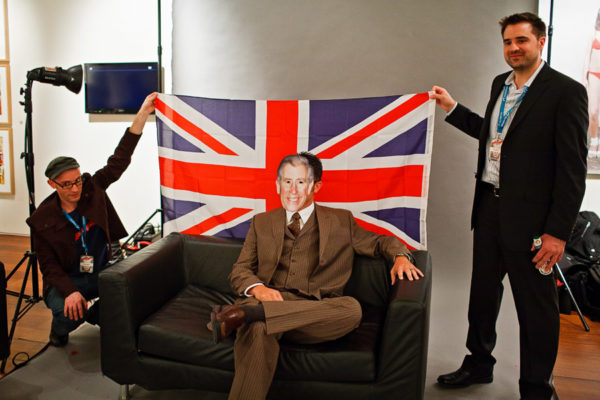
Telling myself this is simply the end of the beginning, I have put together a few collages from my London adventure. Time to close this chapter of my life and move forward.

Behind the scenes video of the London iStockalypse by Georgia Court and Canon Professional Network Europe.

Special thanks to Andrew Funderburg at Fundy Software for his amazing Blog Collage software. I have been bugging him for this for years. He added me to his beta team and it’s finally here. This is the easiest tool for creatively making collages of images. It’s fun and I can’t say enough good things about it. Go get it and tell Fundy that Randy sent you!

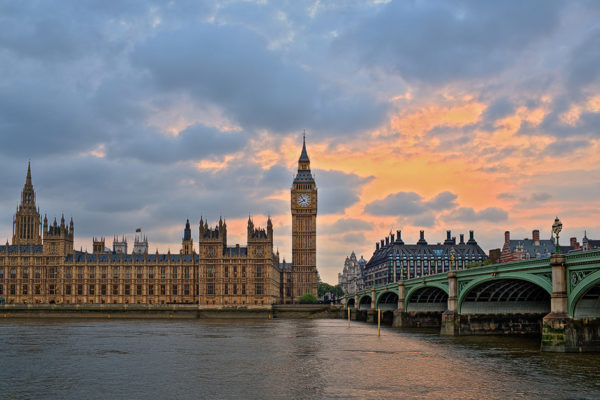
iStockphoto iStockalypse in London England by Randy Kepple Photographs

iStockphoto iStockalypse in London England by Randy Kepple Photographs

iStockphoto iStockalypse in London England by Randy Kepple Photographs

iStockphoto iStockalypse in London England by Randy Kepple Photographs

iStockphoto iStockalypse in London England by Randy Kepple Photographs

iStockphoto iStockalypse in London England by Randy Kepple Photographs

iStockphoto iStockalypse in London England by Randy Kepple Photographs

iStockphoto iStockalypse in London England by Randy Kepple Photographs

iStockphoto iStockalypse in London England by Randy Kepple Photographs

Please visit my Facebook page and LIKE— it’s greatly appreciated. You can also follow me on Twitter @randykepple.

Bryn ForbesSeptember 16, 2011 - 2:26 am

Gorgeous photos Randy. Really great stuff. Posted any to istock yet?

Joel YanaOctober 14, 2011 - 9:24 am

Great images Randy. I’m continually inspired by your persistence and commitment to the craft!

Share on FacebookTweet this postSubscribe by emailEmail post to friend

London Day 10 – London Loves, It’s Time to Say Goodbye

A man who is bored of London is a man who is bored of life. For sure, in London you are either in or you’re out. There is no way to engage halfway. I could spend the rest of my life here and not see it all. Such an incredible city and the end of an amazing adventure.

As I sit here in my hotel room, my home away from home for the past two weeks, I am filled with mixed emotions. My room is on the eighth floor facing Strand, which is a main artery through West London. I’m going to miss the sound of the people walking and the buses and taxis putting me to sleep. But most of all, I am going to miss my new friends.

My plane leaves at 6 AM and the Tube doesn’t start operating until 6:30, so I hired a car to drive me to Heathrow, leaving the hotel at 3 AM. Apparently, there is no time to sleep today. The final farewell party, with all the hugs and reminiscing begins in less than an hour. I will be packing on my way to the airport.

For the past two weeks, I’ve been blogging once a day, a challenge to myself to share this gift with you. To bring you along on the adventure of a lifetime and perhaps make you smile, give you some insight into the life of an artist in transition. I know there are people who have much harder lives and others who don’t, but I wanted to do this to inspire. To let you know that life is hard, but there are definitely blessings along the way. You have to engage and embrace your life, each and every day.

There is no need to fill you in on anything, as you’ve been there for the entire journey. I do however, want to thank everyone who made it possible for me to be here. First and foremost, the Kim Komando radio show and her incredible staff. They are the heart and soul of this adventure. They read my essay and sat down to brainstorm and give me direction and hope.

I also want to thank their sponsors, Carbonite, iStockphoto and the Sony World Photo Expo for bringing it all to life. iStockphoto is stuck with me now and hopefully, it’s the beginning of a new career and an opportunity to support my family with hard work.

Last and certainly not least are my dear and beloved new friends from the London iStockalypse family. I have never seen such a family of photographers devoid of ego and bravado. They are down to earth, warm, friendly and truly genuine. Everyone supporting each other and celebrating each other’s successes. It’s truly a team effort and that is something I’ve been lacking for a long time as a commercial and social event photographer.

Thanks for following along. I hope you have found this interesting, inspiring and hopeful. I will certainly keep all of you posted as this moves forward. I have no expectations that my life will change overnight. That, truly is the hardest part. Facing the reality of bills that need to be paid and a lack of work where I live. But I remain confident and hopeful that all will work out as it already has.

Finally, to my devoted and loving family. My wife and three girls. They have all been completely supportive and having their father/husband gone for two weeks is difficult. (At least I’d like to think so). They may actually have enjoyed a break from me. Who knows.

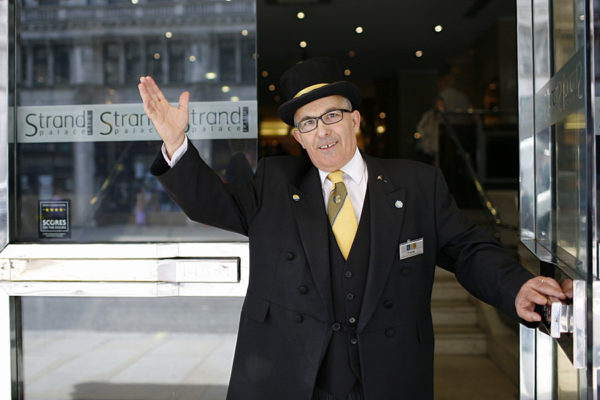
Thank you from the bottom of my heart. The world is an amazing place and as different as we all seem to be, we are really not so different. I was trying to think of a way to end this trip with a photo and as I walked into the hotel for the umpteenth time, I laughed at the cheerful and proper English door man Frank Williamson. He’s famous you know. And if you ever stay at the Strand Palace Hotel on Strand in West London, you’re sure to see him. Tell him Randy sent you and that he’s famous!

Bon Voyage my friends. Blessings and Peace.

iStockphoto event in London England

Fred Von DuringMay 7, 2011 - 12:07 am

Damn! Randy I really wanted to follow every day and make a comment, but have failed. I have continuing problems and also momentary although long hours of forgetfulness a product of 3 strokes. I am just now getting back and your hopefully home safe and sound! I am going to look at all of your stuff again and I have to say “your the man” and Kim did you good. Your pictures tell all and your wonderful after hours work of describing events your language and communication abilities have made the trip for this old man! It’s just as if I went for the ride! Take care my friend and excuse me if I repeated myself anywhere as I have been known to do that! Please feel free to FB or e-me anytime, e-address should be somewhere or FB a msg and I can msg you back with the e-address! My regards to your family and the great show you have provided!!

Willie B. ThomasMay 7, 2011 - 7:42 am

Nice to meet you, and if you come to Berlin stop in!

Bob HacklerMay 9, 2011 - 6:31 am

Great job of joining us all together on your adventure. I’ve really enjoyed each of the posts and look forward to hearing how the adventure continues for you.

Terry J AlcornMay 12, 2011 - 4:06 am

Randy…what a pleasure to meet you and drive you crazy. You are a true talent and iStock is most fortunate to have you as a contributor. Look forward to seeing you again as well as your work. A true inspiration and a tremendous talent!!! You rock!!!

Christopher CampbellMay 29, 2011 - 10:27 pm

Randy,
Your photos of our wedding on the beach are the finest wedding shots I have ever seen. They are proudly displayed in our home and receive numerous compliments by all our guests. The shots you took are precious memories that will last a lifetime. Thanks.

Good luck in your new endeavors. If your iStockphoto photos are as good as your wedding photos you will do great and they will be lucky to have you.

Best regards,
Christopher

RandyMay 30, 2011 - 12:38 pm

Chris… I am so happy to hear from you! And thank you for the wonderful compliments.The fact that you guys are enjoying your images and they are a touchstone of memory is exactly what I strive to provide. Your words are music to my ears! I hope my venture in stock photography is profitable, challenging and rewarding. I am so thankful for the support of friends and clients like you. :)

MatJune 15, 2011 - 2:29 am

OK, I’m officially intrigued. I just tuned in and will read to find out more.

I do seem to recall a conversation or two about micro-stock and it’s potential with you :) I’m curious about the appeal to I-Stock for you. I’ll give you my .02 on them in private some day if you are interested.

Safe Travels my friend!

RandyJune 15, 2011 - 8:30 am

Mat! How nice to hear from you! It’s been a long time my friend. You and I should definitely connect and talk about all things stock. A friend of mine sent me a very interesting infographic about stock photography. Check it out: http://www.piclet.com/

Always interested in talking with you Mat. Call me any time!

Share on FacebookTweet this postSubscribe by emailEmail post to friend